
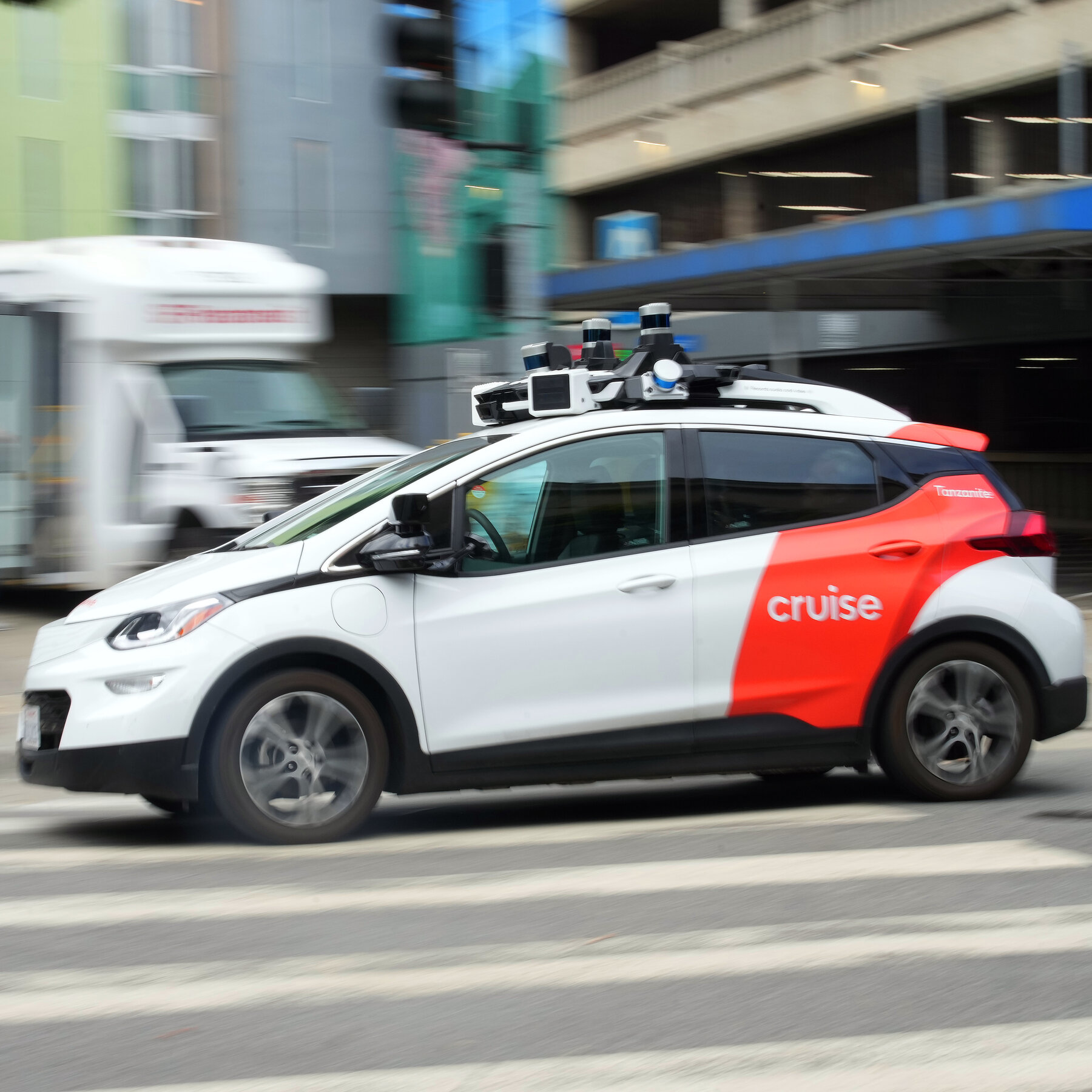
Waymo, a US autonomous vehicle firm, says it aims to begin robotaxi services in London as soon as September, contingent on final regulatory approval and safety clearances. This timetable marks a potential milestone in autonomous transport adoption in the UK.
Officials estimate that the autonomous vehicle industry could contribute £42bn to the UK economy by 2035 and support nearly 40,000 jobs. Proponents argue that widespread robotaxi services would:
- reduce traffic accidents linked to human error
- cut commute times
- encourage more efficient use of urban space
Yet the economics and social implications are complex. Taxi drivers and unions warn that removing human drivers could erode livelihoods. Some industry experts ask: if robots replace people behind the wheel, who bears the social cost?
The government says it will adjust regulations in the second half of 2026 to enable wider autonomous vehicle operation, while emphasising safety and data protections.
A transport policy expert commented: “Autonomy promises gains, but markets don’t transform without friction. The key issues will be regulation, public trust and equitable transition for workers.”
Insight: The potential arrival of driverless taxis forces executives and policymakers to balance innovation with social responsibility. A phased deployment that includes retraining schemes for displaced workers could ease the transition and protect consumer confidence.
Author: Pishon Yip