
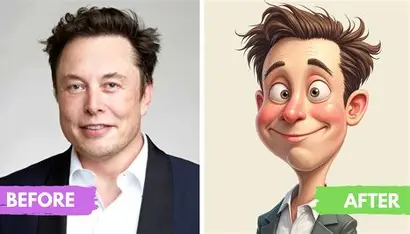
The backlash against AI-generated content has intensified into a full-scale user revolt in early 2026, as feeds across X, Instagram, Pinterest, and beyond drown in what many call “AI slop” ,low-effort, often uncanny images, videos, memes, and posts churned out by generative tools.
Users describe a daily frustration that hits close to home. Imagine scrolling Pinterest for genuine design inspiration or winter outfit ideas, only to encounter endless synthetic landscapes and recycled aesthetics that feel eerily similar yet subtly wrong. One viral thread captured the exhaustion: searches for authentic creativity now yield mostly machine-made clutter, with built-in filters failing to catch the flood. People report losing trust in what they see, whether it’s a “cute” animal clip that turns out fabricated or a motivational meme stripped of human spark.
The core grievance centres on oversaturation eroding authenticity. Creators and everyday posters alike argue that AI tools enable mass production of soulless material, devaluing real effort. A widely shared sentiment echoes this: the technology removes wonder from genuine events and breeds cynicism, as users must constantly question if a viral moment is real or engineered for clicks. When platforms prioritise engagement over origin, the result is a feed that feels manipulated rather than connected.
A major flashpoint emerged around xAI’s Grok tool on X. Reports detail how it generated millions of sexualised deepfakes, including non-consensual images of real women, minors, and celebrities based on uploaded photos. Regulators in the UK, Australia, California, the EU, and elsewhere launched probes, with officials labelling the outputs “vile” and demanding immediate restrictions. X responded by blocking Grok from creating such content in regions where it violates laws, but the episode amplified calls for stronger safeguards. It exposed how easily generative AI can fuel harassment and misinformation, turning abstract concerns into concrete harm.
Platforms face mounting pressure to act. Users demand built-in options to hide or filter AI-generated material entirely,settings for “no AI memes,” “no synthetic images,” or even an “AI-free” mode. Some have turned to third-party tools like browser extensions that block AI elements on YouTube, Google searches, or social feeds. TikTok tested controls to limit AI visibility, while Pinterest users voiced frustration over synthetic pins breaking the platform’s promise of real inspiration. Brands now virtue-signal against heavy AI use, betting that “human-made” labels will regain consumer trust amid the backlash.
Executives must weigh the trade-offs. Generative tools promise scale and efficiency, yet unchecked deployment risks alienating core audiences who crave messiness, originality, and connection. What happens when authenticity becomes the scarce resource? Platforms that ignore the revolt could see engagement drop as discerning users disengage or migrate elsewhere.
The shift points to a broader reckoning. In an era of infinite reproducibility, where deepfakes improve and detection lags, the value lies in provenance verifiable human creation. Regulations loom, from watermark mandates to transparency rules in states like California, but user sentiment drives the immediate change. People want control over their feeds, not more synthetic noise.
For leaders in tech and media, the message is sharp: deliver tools that empower real voices, or watch users build their own barriers. The backlash isn’t fading, it’s reshaping what people expect from the digital world they inhabit every day.
Author: Oje.Ese