
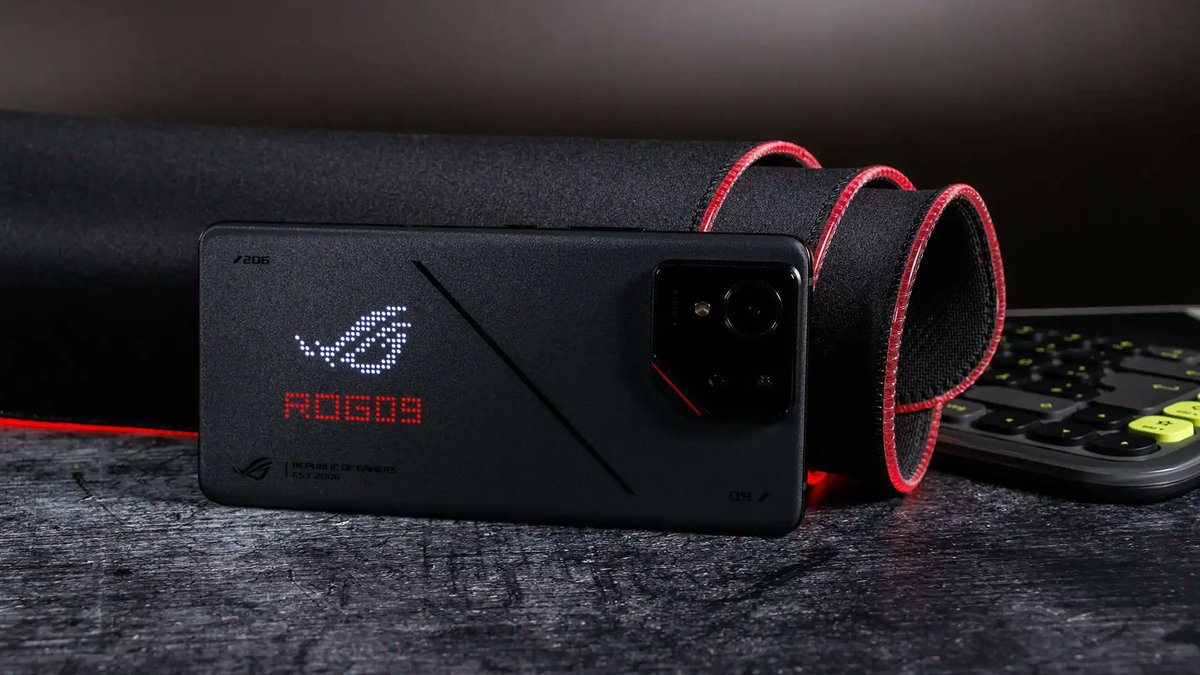
Asus has confirmed it is leaving the smartphone industry indefinitely, ending its efforts to compete in a market dominated by Apple, Samsung, and aggressive Chinese manufacturers. Executives cited intense competition and thin margins as key reasons for the decision, signaling a major shift in the company’s strategic priorities.
The move allows Asus to concentrate on areas where it has established strength, including laptops, gaming hardware, and AI-driven devices. “The smartphone business has become increasingly competitive, and our focus will now be on segments where we can lead and innovate,” the company stated. This reflects a deliberate choice to invest in products with higher growth potential and more consistent returns.
Despite producing reliable hardware and innovative designs, Asus struggled to gain significant market share in smartphones. Competing successfully requires continuous innovation, heavy marketing, and robust ecosystem support, demands that stretched the company’s resources without delivering the expected profitability. The decision mirrors a common career challenge: when effort and investment fail to yield results, pivoting toward areas of core competency can be the smarter long-term move.
Financial realities also influenced the exit. Developing smartphones involves ongoing costs in chip design, software updates, and partnerships with carriers. Asus experimented with both high-end and mid-range devices, but competitive pressures, particularly in China and India, constrained returns and made scaling difficult. By stepping back, the company can allocate resources to segments where it can assert meaningful influence.
Asus plans to accelerate innovation in PCs and AI products, building on its success with ROG-branded gaming laptops and advanced desktop systems. Integrating AI capabilities and energy-efficient designs into these products positions the company to capture a growing segment of high-value consumers who prioritize performance and reliability over mass-market appeal.
The exit raises broader industry questions. Will smaller smartphone brands fill the gap left by Asus, or will the move trigger further consolidation among mid-tier vendors? For Asus, the choice emphasizes disciplined resource allocation and strategic focus, a decision that could strengthen its market position over the long term.
Executives have left the door open for a potential future return to smartphones if market conditions change, but for now, Asus is redirecting its attention to sectors where it can lead innovation. The decision underscores a central principle in technology business strategy: success often comes from focusing on areas where expertise and competitive advantage intersect.
Author: Abel Vazquez Sanchez